Initial file
Send equipment type, manufacturer, ratings, quantity, location, release date, and photographs. A spreadsheet is useful but not required.
Process
The useful information is simple: what the equipment is, where it sits, and what it takes to move safely after your team has de-energized and released it.
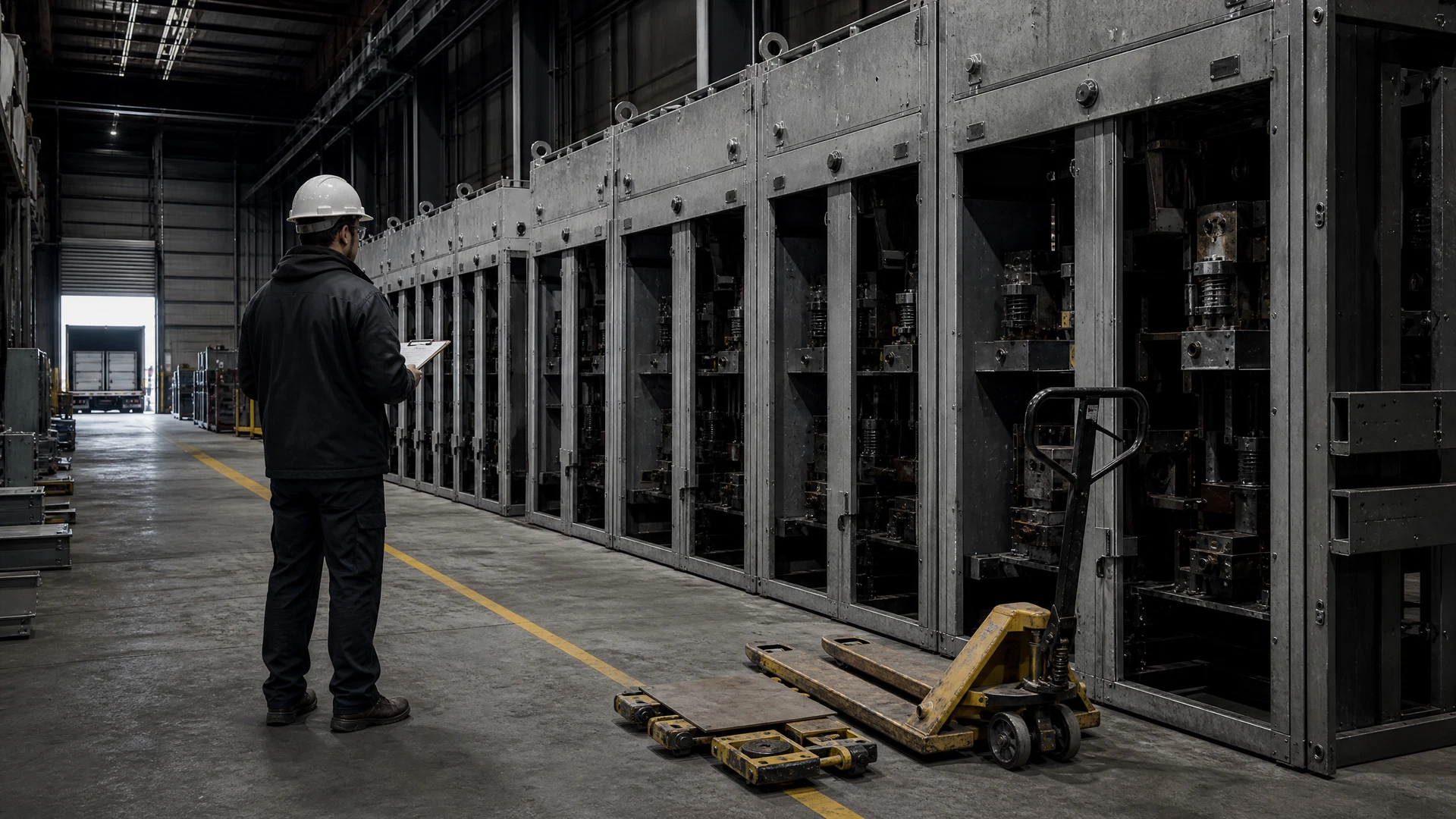
Send equipment type, manufacturer, ratings, quantity, location, release date, and photographs. A spreadsheet is useful but not required.
We separate reusable equipment from commodity-only material, then review access, rigging, freight, and schedule constraints.
The transaction should state what is being purchased, who handles which work, payment timing, and what remains after load-out.
| Seller provides | Buyer confirms | Site controls |
|---|---|---|
| Ownership, equipment access, accurate material description, and release timing. | Purchase scope, exclusions, pickup or removal plan, documentation, and commercial terms. | De-energization, lockout/tagout, site orientation, work permits, and released work areas. |
Safety boundary
The owner controls de-energization and verifies its lockout/tagout process. Equipment recovery begins only after the work area is released under the owner’s procedures.
Secure server-side form