
Projects
Why the storage shelf beats the switchgear on a value-per-pound basis
The single most profitable hour anyone spends on a plant closure is the one spent photographing the spare parts shelves.
Section 1
Why spares accumulate value
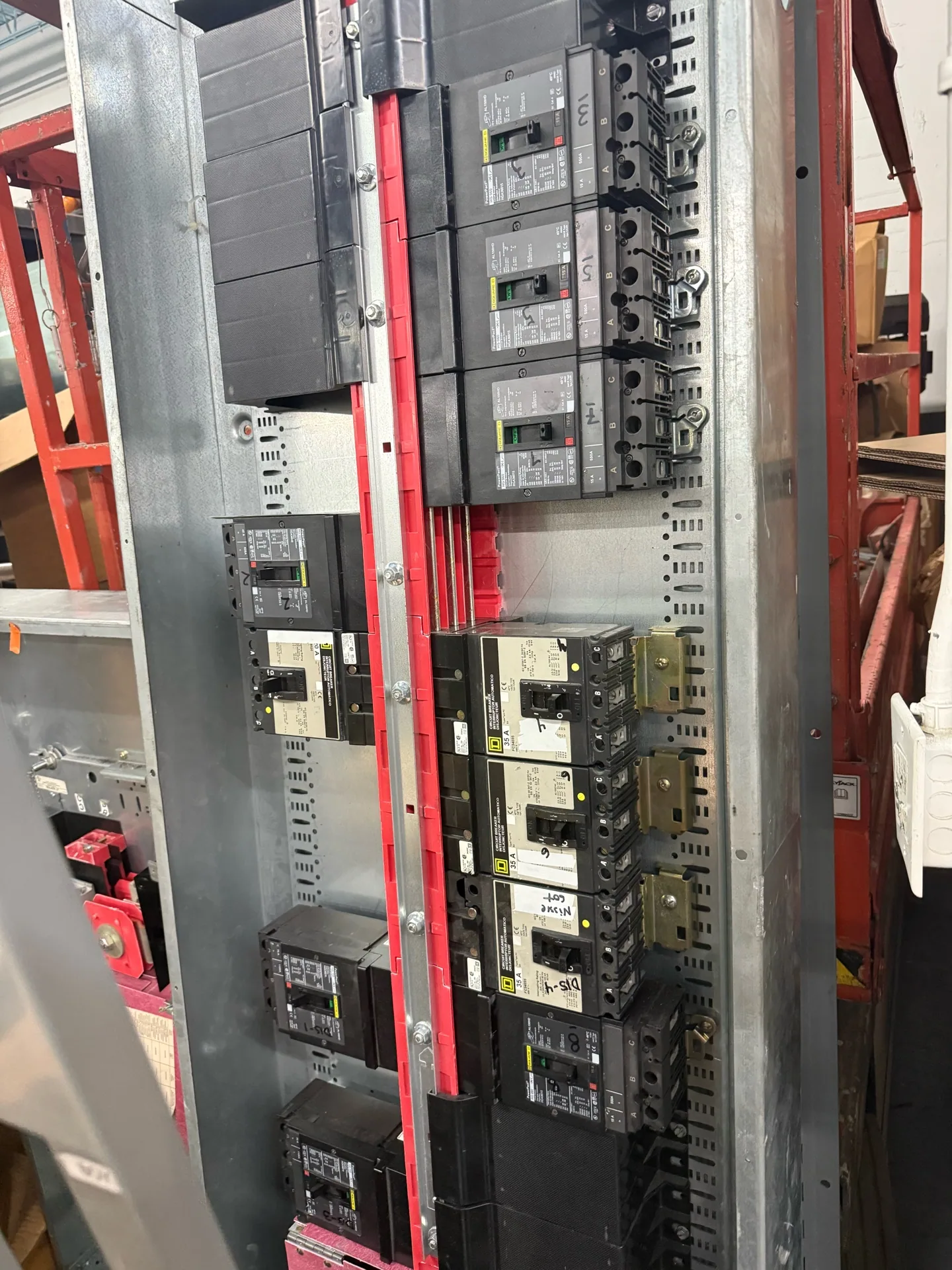
A plant that runs a particular switchgear or MCC family buys spare breakers, buckets, plugs and relays for it, and keeps buying them for decades. When the plant closes, that shelf holds exactly the parts that every other facility still running that family needs, and can no longer buy new.
Unlike installed equipment, spares are typically in good condition, sometimes never used, and require no de-energization or teardown to recover. High value, low removal cost — the best combination on any list.
Section 2
What to look for on the shelves
Drawout and molded-case breakers, trip units and rating plugs, MCC buckets and starters, contactors and overload relays, protective relays, control transformers, fuses in original packaging, meters, and drives still in boxes.
Also worth noting: bolt-on accessories, cell hardware, racking handles and test plugs. These small items are frequently missing from equipment coming out of other buildings, which makes them individually salable.
Section 3
How to inventory quickly
Work shelf by shelf with a phone. Photograph the shelf wide, then photograph the label on each distinct item. You do not need a spreadsheet — a folder of clear photographs is enough for a buyer to identify and price the room.
If items are in original boxes, photograph the box labels, which are usually more legible than the device nameplates and include catalog numbers.
Section 4
Get it excluded from the demolition scope
The most common way spares are lost is that a demolition contract grants salvage rights to everything on the site, and a storeroom goes into a container in the first week. One sentence excluding identified electrical spares from the salvage scope prevents it.
If a container is already on site, photograph the shelves today. Once the parts are mixed into scrap they are unidentifiable, and unidentifiable parts are worth their weight in metal.
Questions
Frequently asked
Do you buy spare parts inventories?
Yes, and they are frequently the highest-value portion of a plant closure on a per-pound basis. Breakers, plugs, buckets, relays and boxed spares all have active aftermarkets.
How do I inventory a spares room quickly?
Photograph each shelf wide, then photograph the label on every distinct item or box. A photo folder is sufficient for pricing.
Will you take a spares room without the installed equipment?
Yes. Spares require no de-energization and are simple to load, so they can be purchased independently.
What if the parts are old and obsolete?
Obsolete is usually good news. Parts for discontinued families serve installations that have no other source of supply.
Next
Related field notes
Why obsolete circuit breakers can be the most valuable items in the room
Drawout breakers, discontinued frames and the aftermarket that keeps them valuable. How breaker offers are built and what documentation raises them.
ValuationHow to scope the electrical side of a plant shutdown
Sequencing, temporary power, what to sell versus scrap, and the documentation that keeps a decommissioning from stalling.
ProjectsHow copper prices set the floor under used electrical equipment
Where the copper actually is in switchgear, transformers, MCCs and cable, and how commodity markets move offers on equipment that has no resale value.
MarketsSame-day written offer
Get a Written Offer
Send the asset list, or just describe what is in the room. We come back the same business day with a written, itemized offer.
Faster: call 954-740-1983
Email an asset list to electricalequipmentbuyers@gmail.com
Mon–Sat, 7am–7pm CT. We never resell your contact information.